Smart Device IoT Integration: A Comprehensive Overview
Table of Contents
The Smart Device IoT Integration is a rise of the Internet of Things (IoT) has revolutionized how we interact with everyday devices, transforming them into intelligent, interconnected systems. Smart device integration enables seamless communication between appliances, wearables, and infrastructure, enhancing convenience, efficiency, and automation in homes, industries, and cities. This article explores the fundamentals of IoT integration, its applications, challenges, and future trends.
Understanding Smart Device IoT Integration
IoT integration refers to the process of connecting physical devices embedded with sensors, software, and communication modules to networks, allowing them to collect, exchange, and act on data. These devices range from smart thermostats and wearables to industrial machinery and autonomous vehicles.
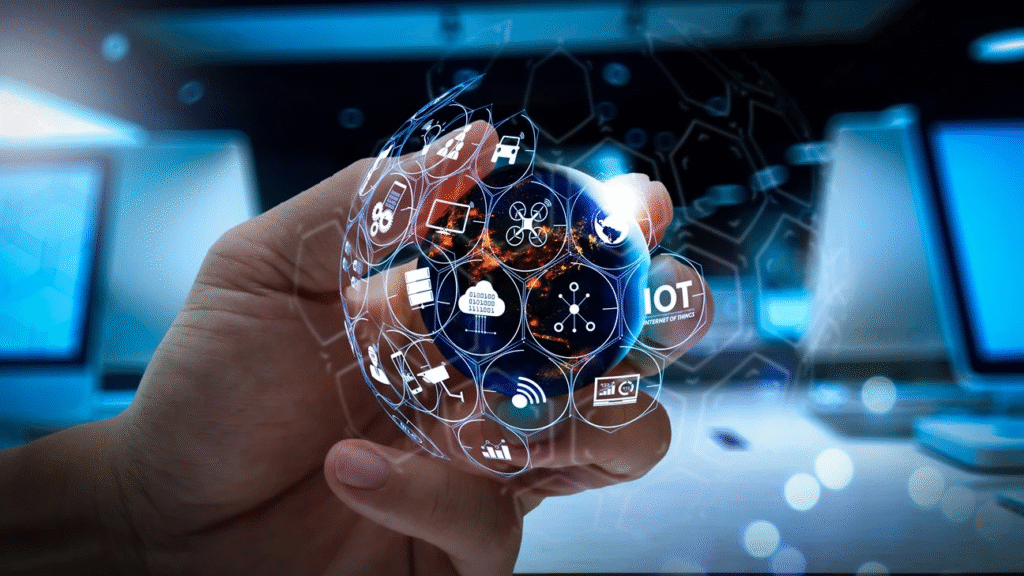
The Internet of Things (IoT) is reshaping how we connect and interact with technology. By linking everyday devices to the internet, IoT turns ordinary objects into smart tools that collect and share data. With billions of IoT devices projected in the coming years, the innovation potential is immense.
To fully leverage these advancements, integrating IoT into your existing systems is crucial. IoT integration connects devices with your applications and databases, enabling streamlined data flow and automation. In this guide, we’ll explore the importance of IoT integration and provide practical insights on how to implement it effectively, using real-world examples.
What is IoT?
The Internet of Things (IoT) refers to devices that collect and exchange data over the Internet. These devices collect and exchange data over the Internet, turning everyday objects into intelligent tools. Currently, there are billions of IoT devices worldwide, and their numbers are rapidly increasing. Businesses and homes are adopting them for enhanced convenience and efficiency.
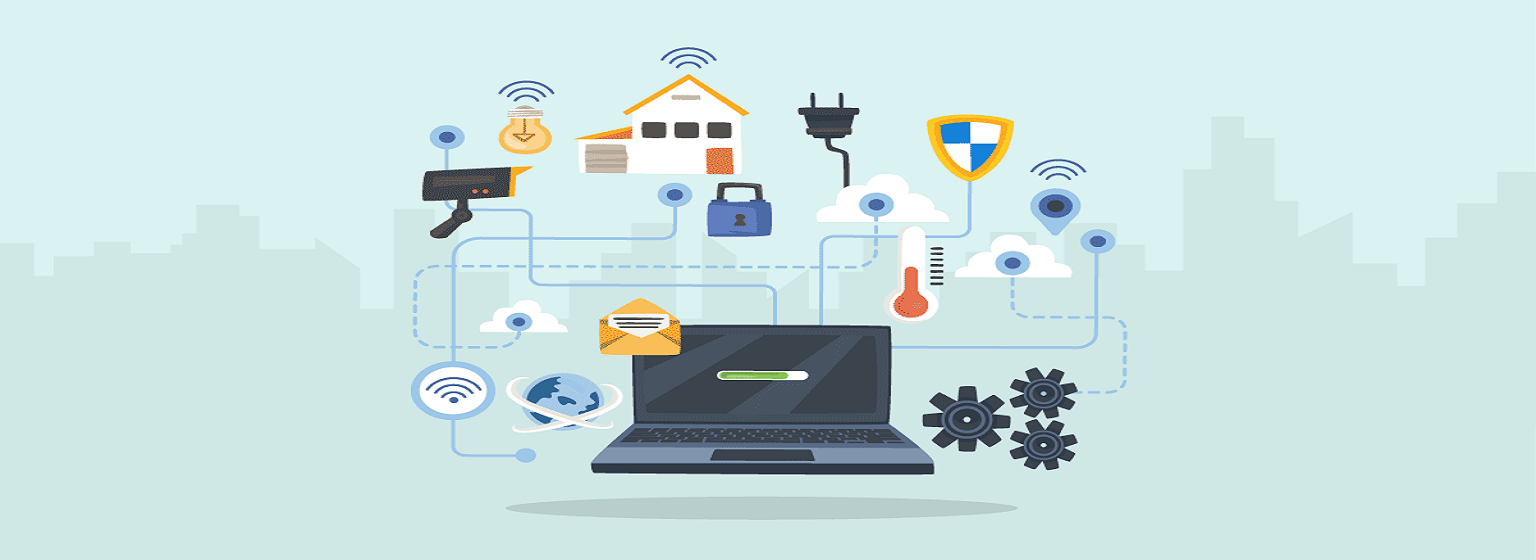
The Internet of Things (IoT) encompasses devices like smart thermostats, fitness trackers, and connected security cameras. For example, a smart thermostat adjusts the temperature when it detects that you’re home. Wearable fitness trackers monitor your activity and health metrics. Connected security cameras send alerts if they detect unusual movement. All these devices communicate over the internet, turning everyday objects into intelligent tools. As IoT devices proliferate, they become integral to modern life, shaping how we interact with technology.
Key components of IoT integration include:
1. Sensors and Actuators – Capture real-time data (e.g., temperature, motion) and execute actions based on commands.
2. Connectivity Protocols – Enable communication via Wi-Fi, Bluetooth, Zigbee, or cellular networks.
3. Cloud Computing – Stores and processes data for analysis and remote control.
4. Machine Learning & AI – Enhances decision-making through predictive analytics and automation.
Applications of IoT Integration
1. Smart Homes IoT integration allows homeowners to automate lighting, security, and climate control. Smart assistants like Amazon Alexa and Google Home centralize control, while connected appliances optimize energy usage.
2. Healthcare Wearable devices monitor vital signs, alerting healthcare providers to anomalies. Remote patient monitoring reduces hospital visits, improving care accessibility.
3. Industrial IoT (IIoT) Factories deploy IoT-enabled sensors for predictive maintenance, minimizing downtime. Supply chain tracking ensures real-time inventory management.
4. Smart Cities Traffic sensors optimize signal timing, reducing congestion. Waste management systems use IoT to schedule pickups based on fill levels.
Challenges in IoT Integration
Despite its benefits, IoT integration faces hurdles:
Security Risks – Vulnerable devices can be exploited, leading to data breaches. Strong encryption and firmware updates are essential.
Interoperability – Differing standards hinder seamless device communication. Universal protocols like Matter aim to bridge gaps.
Scalability – Managing millions of connected devices demands robust infrastructure.
Privacy Concerns – Data collection raises ethical questions. Transparent policies and user consent are critical.
Future Trends in IoT
Advancements in AI and edge computing will drive real-time processing at the device level. 5G networks will enhance speed and connectivity, while blockchain may secure IoT transactions. Sustainable IoT solutions will also emerge, optimizing resource use in smart grids and agriculture.
Conclusion
IoT integration is reshaping industries by fostering automation, efficiency, and data-driven decision-making. While challenges persist, technological innovations and standardized frameworks will continue to expand its potential. As smart devices become ubiquitous, their seamless integration will define the next era of digital transformation.