
IoT-Enabled Product Design: Revolutionizing the Future of Technology
Table of Contents
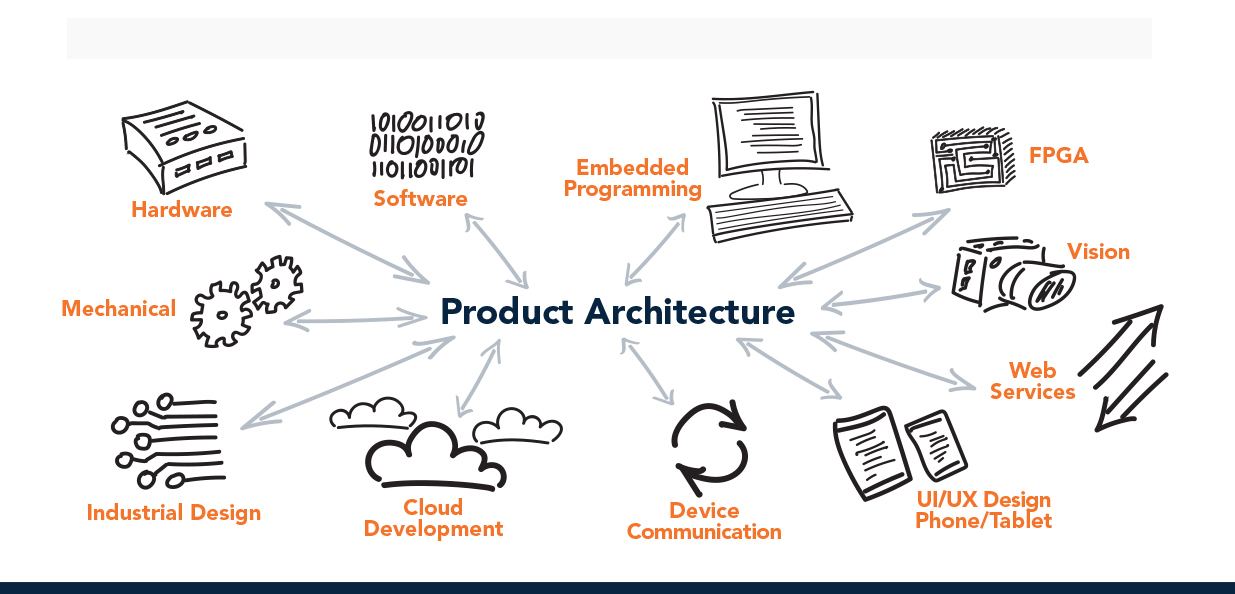
The IoT-Enabled Product Design is a integration of the Internet of Things (IoT) into product design has transformed how we interact with everyday objects. From smart home devices to industrial machinery, IoT-enabled products are reshaping industries by enhancing efficiency, connectivity, and user experience. This article explores the fundamentals of IoT-enabled product design, its benefits, challenges, and key considerations for developers and businesses.
Understanding IoT-Enabled Product Design
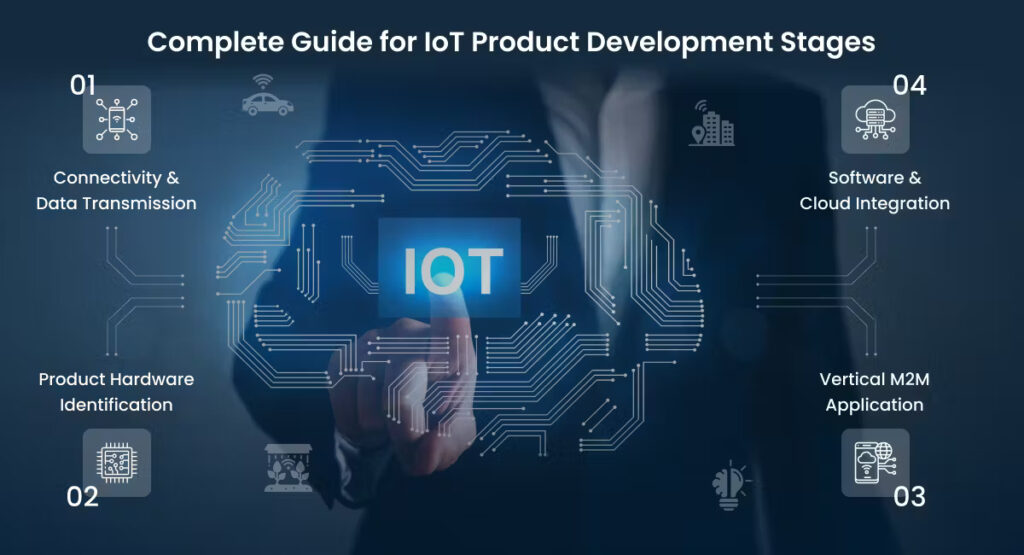
IoT-enabled product design refers to the process of creating devices that connect to the internet and other systems to collect, analyze, and transmit data. Unlike traditional products, these smart devices leverage sensors, software, and connectivity to perform tasks autonomously or provide actionable insights.
Key Components of IoT-Enabled Products
1. Sensors and Actuators – These components gather real-time data (e.g., temperature, motion, or light) and perform actions based on predefined commands.
2. Connectivity Modules – Wi-Fi, Bluetooth, Zigbee, and cellular networks enable communication between devices and cloud platforms.
3. Cloud Computing – Data processing and storage occur in the cloud, allowing for scalability and remote access.
4. User Interface (UI/UX) – Mobile apps, dashboards, or voice assistants provide users with control and feedback.
5. Security Protocols – Encryption, authentication, and secure firmware updates protect against cyber threats.
Benefits of IoT in Product Design
1. Enhanced User Experience – Smart devices offer personalized interactions, automation, and real-time feedback, improving convenience.
2. Predictive Maintenance – Industrial IoT (IIoT) equipment can predict failures, reducing downtime and repair costs.
3. Energy Efficiency – Smart thermostats and lighting systems optimize energy consumption, lowering costs and environmental impact.
4. Data-Driven Decision Making – Businesses gain actionable insights from user behavior, enabling better product improvements and marketing strategies.
5. Remote Monitoring and Control – Users can manage IoT devices from anywhere, increasing accessibility and flexibility.
Challenges in IoT Product Design
1. Security Risks – Connected devices are vulnerable to hacking, requiring robust encryption and regular updates.
2. Interoperability Issues – Lack of standardized protocols can hinder seamless communication between different IoT ecosystems.
3. Power Consumption – Battery-operated devices must balance performance with energy efficiency to extend lifespan.
4. Scalability – As IoT networks grow, managing large volumes of data and maintaining performance becomes complex.
5. Regulatory Compliance – Designers must adhere to privacy laws (e.g., GDPR) and industry-specific regulations.
Best Practices for IoT Product Development
1. User-Centric Design – Prioritize ease of use, ensuring intuitive interfaces and seamless integration into daily routines.
2. Modular Architecture – Design flexible systems that allow for upgrades and compatibility with future technologies.
3. End-to-End Security – Implement strong authentication, data encryption, and secure firmware updates from the outset.
4. Testing and Validation – Conduct rigorous real-world testing to identify vulnerabilities and performance bottlenecks.
5. Partnerships and Standards Adoption – Collaborate with industry leaders and adopt widely accepted IoT protocols to ensure compatibility.
Future Trends in IoT-Enabled Products
1. Edge Computing – Processing data closer to the source reduces latency and reliance on cloud servers.
2. AI and Machine Learning Integration – Smarter predictive analytics and autonomous decision-making will enhance IoT capabilities.
3. 5G Connectivity – Faster, more reliable networks will enable real-time applications like autonomous vehicles and telemedicine.
4. Sustainable IoT – Eco-friendly designs and energy-efficient components will drive green IoT innovations.
5. Expansion of Smart Cities – IoT will further integrate into urban infrastructure, improving traffic management and public services.
Conclusion
IoT-enabled product design is redefining the way we interact with technology, offering unprecedented convenience, efficiency, and intelligence. While challenges like security and interoperability persist, advancements in AI, 5G, and edge computing are paving the way for a more connected future. Businesses and designers must embrace best practices to create secure, scalable, and user-friendly IoT solutions that meet evolving consumer demands. The potential of IoT-enabled products is vast, and their continued evolution will play a crucial role in shaping the next generation of smart technologies.