
IoT-Based Automation Services: Revolutionizing Modern Living
Table of Contents
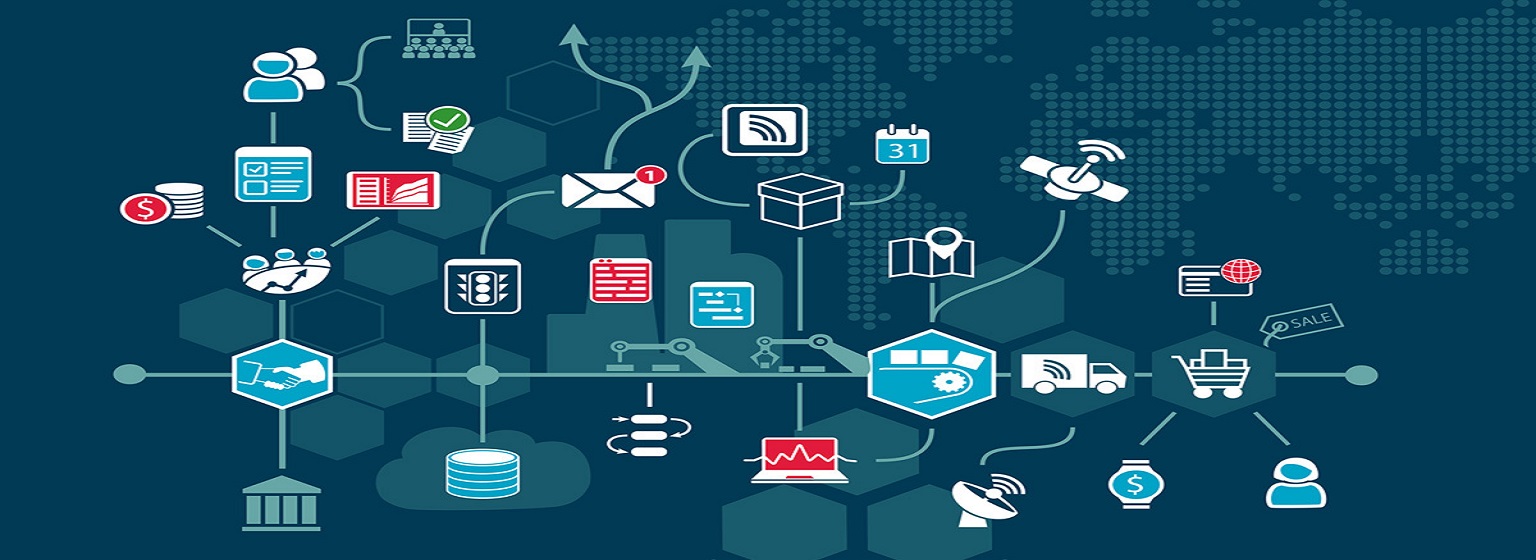
The IoT-Based Automation Services has emerged as a transformative force, reshaping industries and everyday life through automation. By connecting devices, sensors, and systems, IoT-based automation services enhance efficiency, reduce human intervention, and enable smarter decision-making. From smart homes to industrial applications, these services are redefining convenience, security, and productivity.
Understanding IoT-Based Automation
IoT-based automation refers to the use of interconnected devices that collect, share, and analyze data to perform tasks without manual input. These systems rely on sensors, wireless communication, cloud computing, and artificial intelligence (AI) to function seamlessly. The core components include:
Sensors and Actuators: Collect real-time data (e.g., temperature, motion, light) and execute actions (e.g., adjusting thermostats, locking doors).
Connectivity: Wireless protocols like Wi-Fi, Bluetooth, Zigbee, and 5G enable device communication.
Cloud Computing: Stores and processes data, allowing remote access and scalability.
AI and Machine Learning: Enhances predictive maintenance, anomaly detection, and adaptive responses.
Key Applications of IoT in Automation
The integration of IoT in industrial automation is revolutionizing various sectors, including energy, manufacturing, facility management, transportation, and mining. Leveraging IoT technologies, industries experience enhanced efficiency and smarter working methods.
Key applications of IoT in automation include smart manufacturing, predictive maintenance, and remote monitoring and control, each contributing to improved operational efficiency and reduced costs.
Applications of IoT-Based Automation
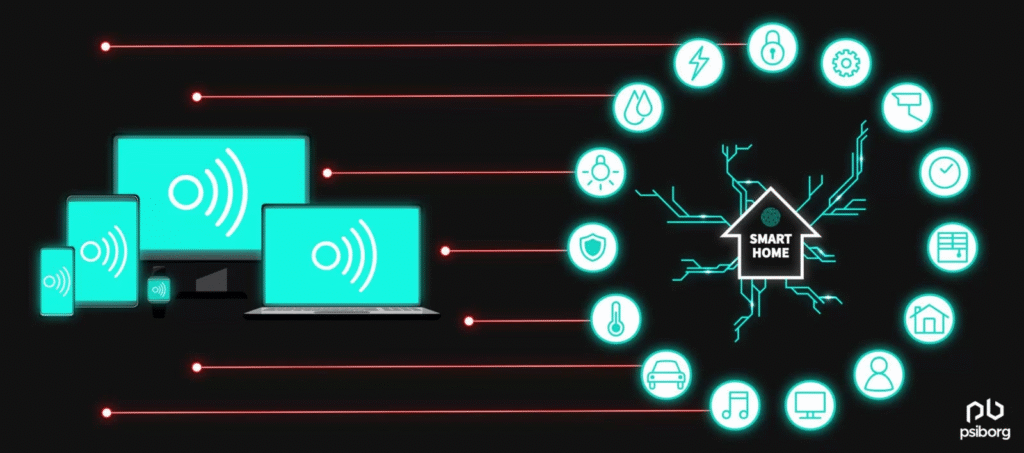
1. Smart Homes IoT automation transforms residences into intelligent ecosystems. Examples include: – Lighting Control: Lights adjust based on occupancy or time of day. – Climate Control: Smart thermostats optimize energy usage. – Security Systems: Smart locks, cameras, and alarms provide real-time monitoring. – Voice Assistants: Devices like Amazon Alexa and Google Home enable voice-activated automation.
2. Industrial Automation Industries leverage IoT for operational efficiency and safety: – Predictive Maintenance: Sensors detect machinery wear before failures occur. – Supply Chain Optimization: RFID and GPS track shipments in real-time. – Energy Management: Automated systems reduce power consumption in factories.
3. Healthcare IoT improves patient care through: – Remote Monitoring: Wearables track vital signs and alert doctors to anomalies. – Smart Pill Dispensers: Ensure medication adherence. – Hospital Asset Tracking: Locate medical equipment instantly.
4. Agriculture Farmers use IoT to enhance crop yields: – Soil Sensors: Monitor moisture and nutrient levels. – Automated Irrigation: Systems water crops based on real-time data. – Livestock Monitoring: Track animal health and location.
5. Smart Cities Urban areas benefit from IoT automation in: – Traffic Management: Adaptive signals reduce congestion. – Waste Management: Smart bins signal when they need emptying. – Public Safety: Surveillance and emergency response systems improve security.
Advantages of IoT Automation
Efficiency: Reduces manual labor and operational costs.
Accuracy: Minimizes human error in data collection and task execution.
Scalability: Systems can expand with minimal infrastructure changes.
Sustainability: Optimizes resource usage, reducing waste.
Challenges and Considerations
Despite its benefits, IoT automation faces hurdles:
Security Risks: Vulnerable devices may be hacked, leading to data breaches.
Interoperability: Different manufacturers’ devices may not integrate smoothly.
Privacy Concerns: Data collection raises questions about user consent and protection.
High Initial Costs: Implementation requires investment in hardware and software.
Future Trends
The evolution of IoT automation includes:
Edge Computing: Processing data closer to the source for faster responses.
5G Integration: Enables higher speeds and lower latency.
AI-Driven Automation: Smarter, self-learning systems.
Blockchain for Security: Enhances data integrity and authentication.
Conclusion
IoT-based automation services are revolutionizing how we live and work, offering unparalleled convenience, efficiency, and innovation. As technology advances, these systems will become more intelligent, secure, and ubiquitous, paving the way for a fully connected future. Businesses and individuals alike must embrace these changes while addressing challenges to maximize the potential of IoT automation. The journey toward a smarter world is well underway, and IoT is at the heart of this transformation.