
Innovative Product Design and Prototyping Services
Table of Contents
The Innovative Product Design and Prototyping Services in world of product development has evolved dramatically in recent years, driven by advancements in technology, shifting consumer demands, and the need for faster time-to-market. At the heart of this transformation lies innovative product design and prototyping services, which bridge the gap between conceptualization and commercialization. These services empower businesses, startups, and inventors to refine their ideas, test functionality, and bring high-quality products to market efficiently.
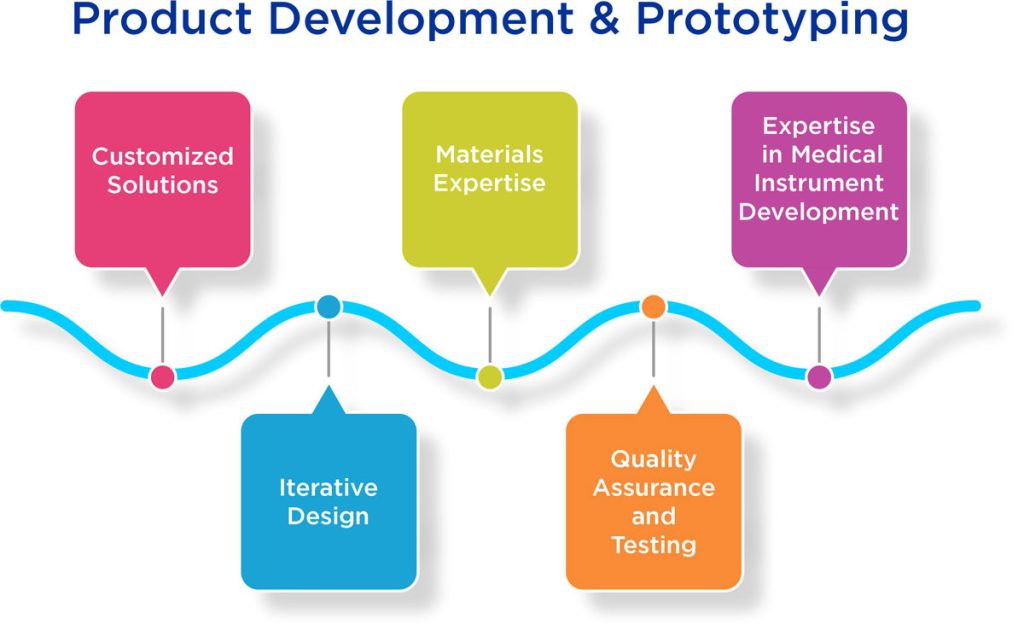
The Role of Product Design in Innovation
Product design is the foundation of any successful product. It encompasses the process of defining a product’s form, function, and user experience. A well-designed product not only meets consumer needs but also stands out in a competitive market. The key stages of product design include:
1. Research and Ideation – Understanding market trends, user pain points, and competitor offerings to generate viable concepts.
2. Concept Development – Sketching, 3D modeling, and digital rendering to visualize the product.
3. Feasibility Analysis – Evaluating materials, manufacturing processes, and cost implications.
4. User-Centric Design – Ensuring ergonomics, accessibility, and intuitive usability.
Innovative design goes beyond aesthetics; it integrates sustainability, smart technology, and modularity to future-proof products.
The Importance of Prototyping
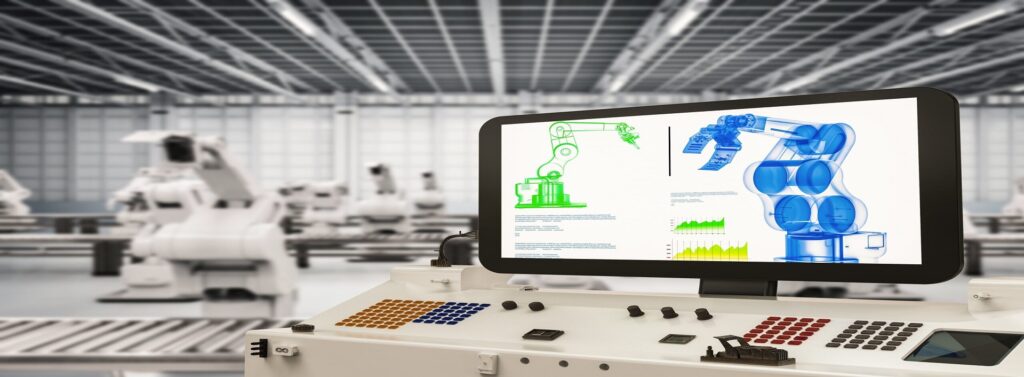
Prototyping is a critical phase that transforms design concepts into tangible models. It allows designers and engineers to test functionality, durability, and manufacturability before mass production. Prototyping services offer several advantages:
Early Detection of Flaws – Identifying design weaknesses before costly production begins.
Stakeholder Feedback – Presenting physical models to investors, clients, or focus groups for validation.
Iterative Refinement – Making incremental improvements based on real-world testing.
Types of Prototyping Methods
Different prototyping techniques cater to varying project requirements:
1. 3D Printing (Additive Manufacturing) – Ideal for rapid prototyping, 3D printing builds layer-by-layer models from digital designs. It supports materials like plastics, resins, and metals, enabling quick iterations.
2. CNC Machining – A subtractive process that carves prototypes from solid blocks of material, offering high precision for functional testing.
3. Injection Molding – Used for producing high-fidelity prototypes that mimic final production parts, suitable for large-scale manufacturing validation.
4. Vacuum Casting – A cost-effective method for creating small batches of prototypes with properties similar to injection-molded parts.
5. Soft Tooling – Temporary molds used for low-volume production runs, bridging the gap between prototyping and full-scale manufacturing.
The Integration of Digital Tools
Modern product design and prototyping rely heavily on digital tools that enhance accuracy and efficiency:
Computer-Aided Design (CAD) – Software like SolidWorks, AutoCAD, and Fusion 360 enables precise 3D modeling and simulation.
Finite Element Analysis (FEA) – Tests structural integrity under stress, heat, or other environmental factors.
Virtual Reality (VR) Prototyping – Allows immersive interaction with digital prototypes before physical creation.
Generative Design – AI-driven software that explores multiple design iterations based on predefined constraints.
Customization and Scalability
Innovative prototyping services cater to diverse industries, from medical devices to consumer electronics. Customization ensures that each prototype meets specific regulatory, material, or performance standards. Scalability is equally important prototyping should seamlessly transition into mass production without compromising quality.
Sustainability in Product Design
Eco-conscious design is no longer optional. Companies are adopting sustainable practices such as:
Biodegradable Materials – Using plant-based plastics or recycled composites.
Modular Design – Creating products with replaceable parts to extend lifespan.
Energy-Efficient Manufacturing – Reducing carbon footprints through optimized production techniques.
Cost and Time Efficiency
Traditional product development cycles were lengthy and expensive. Today, rapid prototyping slashes both time and costs, enabling startups to compete with established brands. On-demand prototyping services eliminate the need for in-house facilities, making innovation accessible to smaller businesses.
Case Studies of Successful Prototyping
1. Medical Devices – A startup developed a portable diagnostic tool using 3D-printed prototypes to refine ergonomics before FDA approval.
2. Consumer Electronics – A smartwatch manufacturer used CNC-machined prototypes to test waterproofing and button responsiveness.
3. Automotive – An electric vehicle company employed generative design to create lightweight, aerodynamic components.
Choosing the Right Prototyping Partner
Selecting a prototyping service provider requires careful consideration of:
Expertise – Experience in your industry and familiarity with regulatory standards.
Technology – Access to advanced machinery and software.
Turnaround Time – Ability to meet tight deadlines without sacrificing quality.
Collaborative Approach – Willingness to iterate based on feedback.
The Future of Product Design and Prototyping
Emerging technologies like AI, IoT, and nanotechnology will further revolutionize prototyping. Smart materials that self-repair or adapt to environmental changes are on the horizon. Additionally, decentralized manufacturing (such as local micro-factories) will reduce supply chain dependencies.
Conclusion
Innovative product design and prototyping services are indispensable in today’s fast-paced market. They enable businesses to refine ideas, mitigate risks, and accelerate product launches. By leveraging cutting-edge technologies and sustainable practices, companies can create products that resonate with consumers while staying ahead of the competition. The future of prototyping promises even greater efficiency, customization, and environmental responsibility, ensuring that innovation continues to thrive.