The Role of Industrial IoT Solutions Providers in Modern Industry
Table of Contents
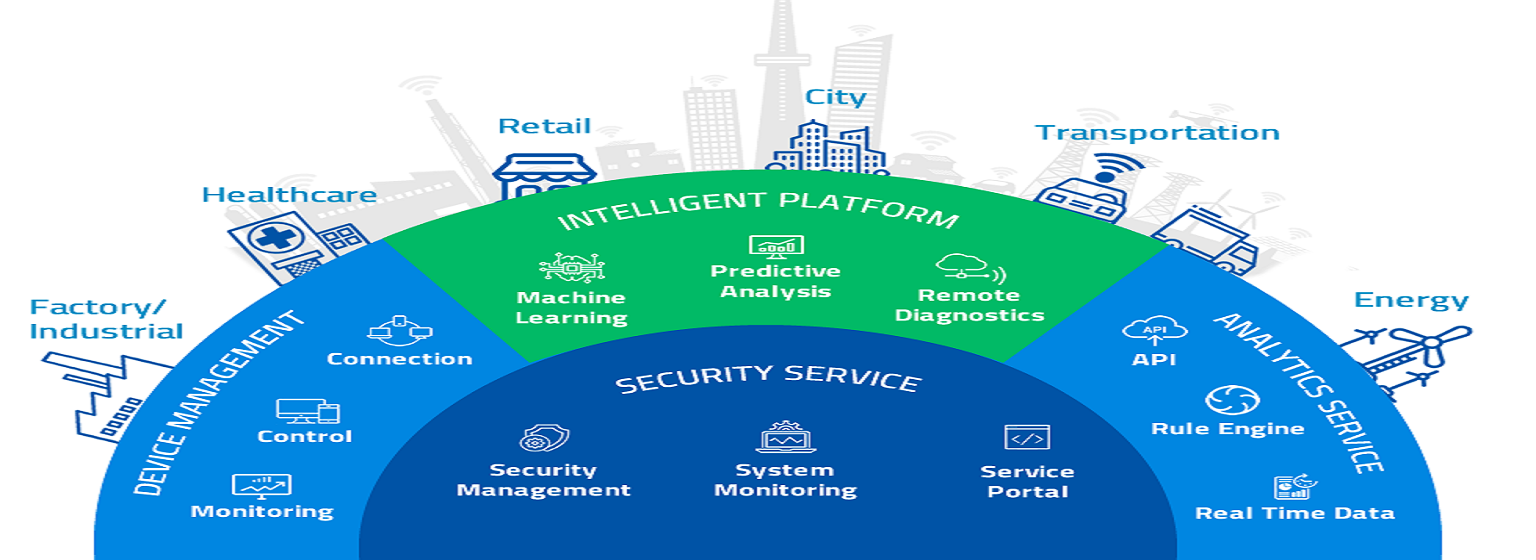
The Industrial IoT Solutions Providers (IoT) has revolutionized how industries operate by integrating smart sensors, cloud computing, and data analytics into manufacturing, logistics, and supply chain processes. Industrial IoT solutions providers play a pivotal role in this transformation, offering businesses the tools and expertise needed to enhance efficiency, reduce downtime, and optimize operations.
Understanding Industrial IoT Solutions
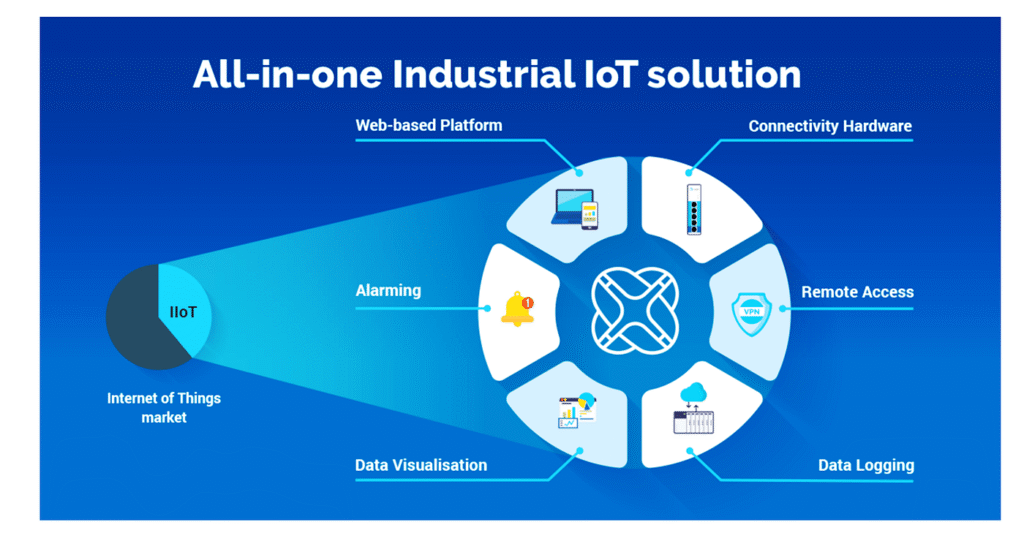
Industrial IoT refers to the network of interconnected devices, machines, and systems that collect, exchange, and analyze data in real time. Unlike consumer IoT, which focuses on smart homes and wearables, IoT is tailored for industrial applications such as predictive maintenance, asset tracking, and energy management.
we offer end-to-end IoT development services, covering everything from hardware integration to custom IoT application development. Our expertise spans multiple industries, delivering innovative, secure, and scalable IoT solutions. Here are some of our most sought-after IoT app development services
Key components of IoT solutions include:
Sensors and Edge Devices – Collect data from machinery and environmental conditions.
Connectivity Solutions – Enable seamless data transmission via Wi-Fi, 5G, or LPWAN.
Cloud Platforms – Store and process large datasets for actionable insights.
AI and Analytics – Provide predictive and prescriptive maintenance recommendations.
Benefits of Partnering with an IoT Solutions Provider
1. Improved Operational Efficiency IoT solutions automate manual processes, reducing human error and increasing productivity. For example, smart factories leverage real-time monitoring to adjust production schedules dynamically.
2. Predictive Maintenance By analyzing machine data, IoT systems predict equipment failures before they occur, minimizing unplanned downtime and extending asset lifespans.
3. Enhanced Supply Chain Visibility IoT-enabled tracking systems provide real-time updates on inventory levels, shipment locations, and storage conditions, ensuring smoother logistics operations.
4. Energy and Cost Savings Smart energy management systems optimize power consumption, reducing operational costs while supporting sustainability initiatives.
5. Safety and Compliance IoT solutions monitor workplace conditions, detecting hazards like gas leaks or equipment malfunctions to ensure compliance with safety regulations.
Challenges in IoT Implementation
Despite its advantages, deploying IoT comes with challenges:
Data Security Risks Interconnected systems are vulnerable to cyberattacks, requiring robust encryption and access controls.
High Initial Investment Transitioning to smart factories demands significant capital for sensors, software, and skilled personnel.
Integration with Legacy Systems Many industries still rely on outdated machinery that may not support modern IoT connectivity.
Data Overload Without proper analytics tools, businesses may struggle to derive meaningful insights from vast data streams.
Choosing the Right IoT Solutions Provider
Selecting the right partner is crucial for successful IoT adoption. Key considerations include:
Industry Expertise Providers with experience in specific sectors (e.g., manufacturing, oil & gas) offer tailored solutions.
Scalability The provider should support growth, allowing businesses to expand their IIoT networks as needed.
Security Measures Strong cybersecurity protocols, including end-to-end encryption, protect sensitive operational data.
Customer Support Reliable technical assistance ensures smooth implementation and troubleshooting.
Future Trends in Industrial IoT
The IIoT landscape continues to evolve with emerging technologies:
Digital Twins – Virtual replicas of physical assets improve simulation and testing.
5G Connectivity – Faster, low-latency networks enhance real-time data processing.
AI-Driven Automation – Advanced machine learning algorithms optimize decision-making.
Blockchain for IIoT – Secures data integrity in supply chains and smart contracts.
Conclusion
Industrial IoT solutions providers are essential partners in the digital transformation of industries, offering innovative technologies that streamline operations, reduce costs, and enhance competitiveness. As IoT adoption grows, businesses must prioritize security, scalability, and strategic partnerships to maximize their return on investment. With the right approach, industrial enterprises can unlock unprecedented efficiency and innovation in their operations.