
Electronics Product Prototyping: A Comprehensive Guide
Table of Contents
Introduction to Electronics Prototyping
Electronics Product Prototyping is a critical phase in the development of any electronic product. It involves creating an initial model of a device to test its functionality, design, and feasibility before mass production. Prototypes help engineers and designers identify potential flaws, optimize performance, and validate concepts before committing to expensive manufacturing processes.
In the fast-evolving world of electronics, prototyping has become more accessible thanks to advancements in tools, components, and manufacturing techniques. Whether it’s a simple circuit board or a complex IoT device, prototyping bridges the gap between an idea and a market-ready product.
Stages of Electronics Prototyping
1. Conceptualization The first step in prototyping is defining the product’s purpose, features, and target audience. Engineers and designers brainstorm ideas, sketch initial designs, and create rough schematics to outline the product’s functionality.
2. Schematic Design Once the concept is solidified, the next step is developing a detailed schematic diagram. This diagram represents the electrical connections between components, ensuring the circuit functions as intended. CAD (Computer-Aided Design) software like KiCad, Eagle, or Altium Designer is commonly used for this purpose.
3. Breadboarding Before creating a printed circuit board (PCB), engineers often test circuits on a breadboard a reusable platform that allows for quick assembly and modification of components. Breadboarding helps verify the circuit’s logic and detect early-stage issues.
4. PCB Design and Fabrication After successful breadboard testing, the next phase involves designing the PCB layout. This step converts the schematic into a physical board with copper traces, component placements, and routing. Prototype PCBs can be fabricated using: – Home Etching: A DIY approach using chemical etching for simple boards. – CNC Milling: Automated milling machines carve out PCB traces. – Professional PCB Services: Companies like PCBWay and JLCPCB manufacture high-quality prototypes at low costs.
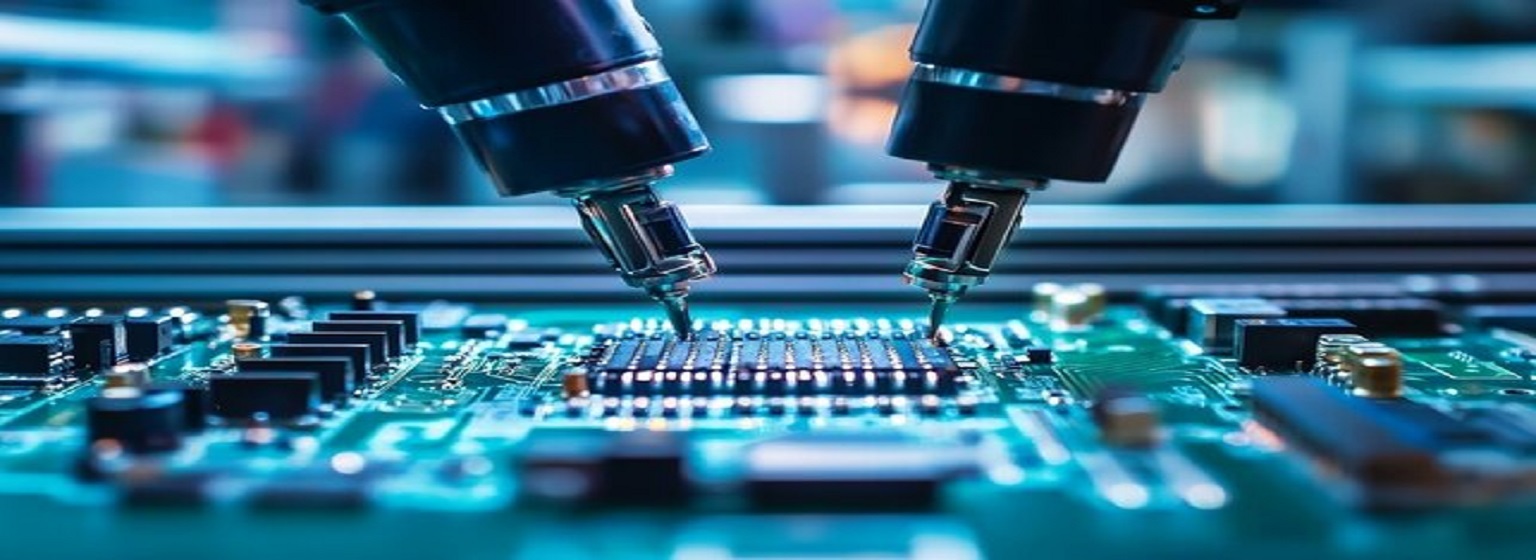
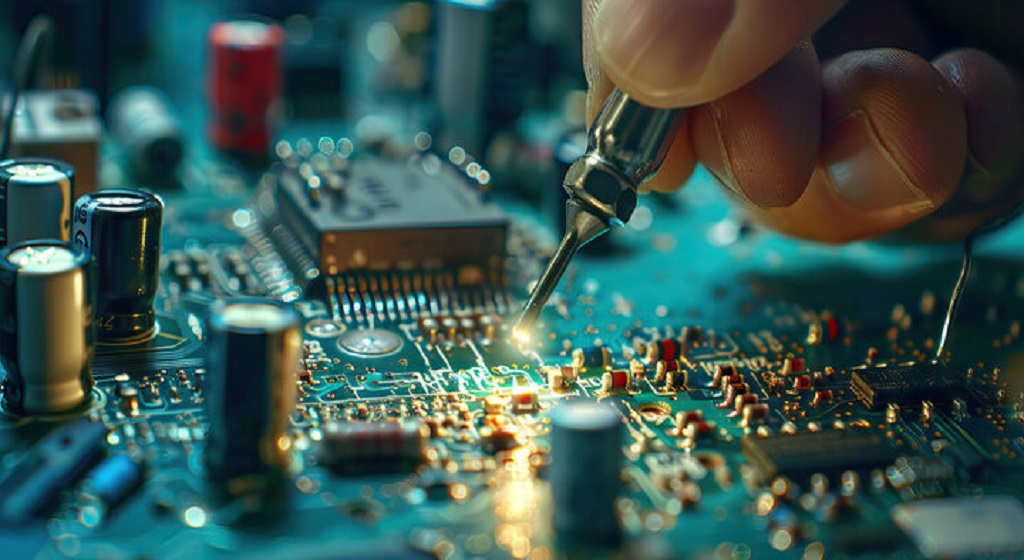
5. Component Assembly Once the PCB is ready, components are soldered onto the board. Surface-mount technology (SMT) and through-hole soldering are common techniques. For complex assemblies, pick-and-place machines automate component placement.
6. Firmware and Software Development Most electronic products require embedded software to function. Microcontrollers (e.g., Arduino, ESP32, STM32) are programmed using languages like C/C++ or Python. Firmware development involves coding, debugging, and optimizing the software to ensure smooth operation.
7. Testing and Iteration Prototypes undergo rigorous testing to identify hardware and software issues. Engineers analyze performance metrics, power consumption, and user interaction to refine the design. Multiple iterations may be necessary before achieving a stable prototype.
8. Enclosure and Industrial Design Aesthetics and usability are crucial for consumer electronics. 3D printing, CNC machining, or laser cutting are used to create prototype enclosures that match the final product’s design.
Tools and Technologies for Prototyping Development Boards – Arduino: Ideal for beginners in embedded systems. – Raspberry Pi: Used for more complex applications requiring an OS. – ESP32: Popular for IoT projects due to built-in Wi-Fi/Bluetooth.
Simulation Software – SPICE: Simulates analog and digital circuits. – Proteus: Combines schematic capture and PCB design with simulation.
Rapid Prototyping Techniques – 3D Printing: For custom enclosures and mechanical parts. – Laser Cutting: Precise fabrication of acrylic or wooden casings.
Challenges in Electronics Prototyping
1. Component Sourcing Finding reliable suppliers for rare or specialized components can delay prototyping. Engineers must verify part availability early to avoid redesigns.
2. Signal Integrity and Noise High-frequency circuits are prone to interference. Proper PCB layout, grounding, and shielding are necessary to minimize noise.
3. Thermal Management Overheating can damage components. Heat sinks, thermal vias, and proper airflow must be considered in the design.
4. Cost Constraints Balancing performance with budget is crucial. Cheaper components may compromise reliability, while premium parts increase costs.
5. Regulatory Compliance Electronics must meet safety and electromagnetic compatibility (EMC) standards before market release.
From Prototype to Production
Once a prototype is finalized, the next step is transitioning to mass production. This involves:
Design for Manufacturability (DFM): Optimizing the design for cost-effective production.
Tooling and Molding: Creating injection molds for plastic parts.
Assembly Line Setup: Automated assembly lines for high-volume manufacturing.
Quality Control: Testing each unit to ensure consistency.
Conclusion
Electronics product prototyping is a vital process that transforms ideas into functional devices. By leveraging modern tools and methodologies, innovators can refine their designs, minimize risks, and bring high-quality products to market efficiently. Whether you’re a hobbyist or a professional engineer, understanding prototyping techniques ensures a smoother path from concept to commercialization.