
VLSI Design Services in India
Table of Contents
The VLSI Design Services in India is a Very Large-Scale Integration (VLSI) industry has emerged as a cornerstone of modern electronics, enabling the development of compact, high-performance integrated circuits (ICs) that power everything from smartphones to supercomputers. India has established itself as a global hub for VLSI design services, offering a unique combination of technical expertise, cost efficiency, and innovation. This article explores the landscape of VLSI design services in India, highlighting key players, technological advancements, challenges, and future prospects.
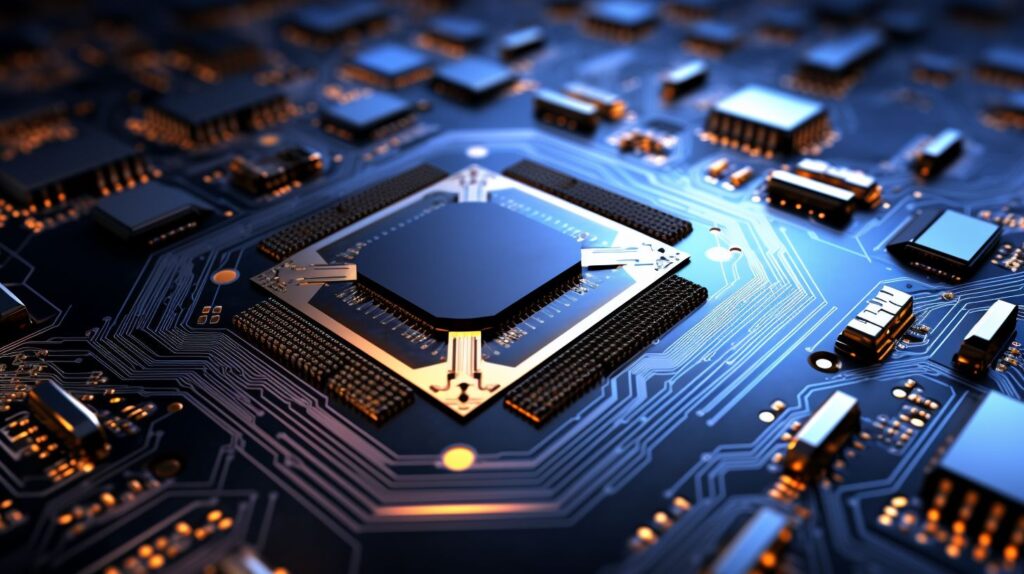
The Rise of VLSI Design in India
India’s journey in VLSI design began in the 1980s when semiconductor companies recognized the country’s potential as a destination for chip design and verification. Over the decades, India has evolved from providing back-end support to becoming a leader in end-to-end VLSI design services. The presence of global semiconductor giants, homegrown design firms, and a thriving startup ecosystem has solidified India’s position in the global semiconductor supply chain.
Key factors contributing to India’s success in VLSI design include:
1. Skilled Workforce: India produces a large pool of engineers specializing in electronics, computer science, and related fields. Institutions like the Indian Institutes of Technology (IITs) and National Institutes of Technology (NITs) have robust VLSI and semiconductor programs.
2. Cost Efficiency: Compared to Western countries, India offers competitive pricing for design services without compromising quality.
3. Strong IP Protection: India’s legal framework for intellectual property (IP) protection has improved, encouraging multinational companies to establish R&D centers.
4. Government Initiatives: Programs like the Semiconductor Design-Linked Incentive (DLI) scheme aim to boost domestic chip design capabilities.
Key Players in India’s VLSI Industry
India hosts a mix of multinational corporations (MNCs), domestic firms, and startups specializing in VLSI design. Some of the prominent players include:
Wipro, Tata Elxsi, and HCL Technologies: These IT giants offer end-to-end VLSI design services, including ASIC/FPGA design, verification, and physical design.
Sankalp Semiconductor and MosChip Technologies: Homegrown firms focusing on analog/mixed-signal design and semiconductor IP development.
Global R&D Centers: Companies like Intel, Qualcomm, NVIDIA, and AMD have established design centers in India, leveraging local talent for cutting-edge chip development.
Technological Advancements in Indian VLSI Design
Indian VLSI firms are at the forefront of several technological trends:
1. Advanced Node Designs: Indian engineers are contributing to designs at 7nm, 5nm, and below, working on complex FinFET and GAA (Gate-All-Around) transistor technologies.
2. AI/ML in Chip Design: Machine learning is being used to optimize power, performance, and area (PPA) in ICs, reducing time-to-market.
3. RISC-V Ecosystem: India is actively participating in the open-source RISC-V architecture, with startups like InCore Semiconductors developing indigenous RISC-V cores.
4. Automotive and IoT Chips: With the rise of electric vehicles and smart devices, Indian firms are designing specialized ICs for automotive, industrial, and consumer applications.

Challenges in the Indian VLSI Sector
Despite its strengths, India’s VLSI industry faces several hurdles:
1. Dependence on Foreign Fabs: India lacks advanced semiconductor fabrication facilities (fabs), forcing companies to rely on foundries in Taiwan, South Korea, and the U.S.
2. Talent Retention: While India produces skilled engineers, retaining top talent remains a challenge due to competition from global firms.
3. High R&D Costs: Developing cutting-edge chip designs requires significant investment, which can be a barrier for startups.
4. Supply Chain Vulnerabilities: Geopolitical tensions and supply chain disruptions highlight the need for greater self-reliance in semiconductor manufacturing.
Future Prospects and Opportunities
The future of VLSI design in India looks promising, driven by several trends:
1. Domestic Semiconductor Mission: The Indian government’s $10 billion semiconductor incentive scheme aims to establish local fabs and design ecosystems.
2. 5G and Edge Computing: The rollout of 5G and demand for edge AI chips present new opportunities for Indian design firms.
3. Collaborations with Academia: Partnerships between universities and industry can accelerate innovation in areas like quantum computing and neuromorphic chips.
4. Startup Growth: With increasing venture capital interest, Indian semiconductor startups are poised to make breakthroughs in niche domains.
Conclusion
India’s VLSI design services sector has grown exponentially, driven by a skilled workforce, cost advantages, and strong government support. While challenges like fab dependency and talent retention persist, initiatives like the Semiconductor Mission and RISC-V adoption position India as a key player in the global semiconductor industry. As technology evolves, Indian firms are well-equipped to lead innovations in AI, automotive, and IoT chip design, ensuring sustained growth in the years to come. The country’s ability to adapt to emerging trends will determine its role in shaping the future of VLSI design worldwide.